
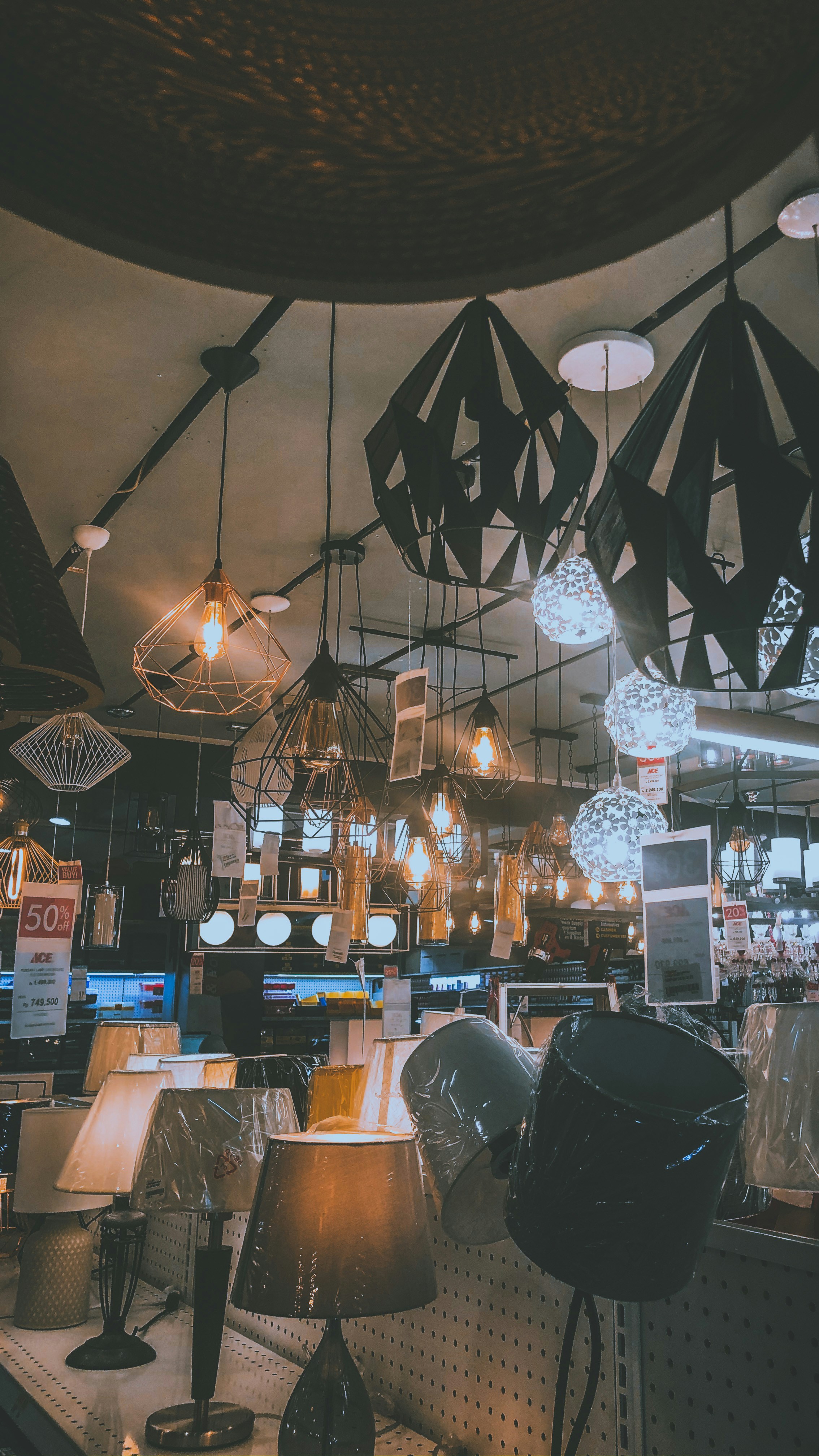
Introduction to Lamps: Lighting Up Our Lives
Lamps have long been a cornerstone of illumination, serving both practical and aesthetic purposes in our daily lives. They are essential in creating well-lit environments, whether in residential homes, offices, or public spaces. The importance of lamps extends beyond mere functionality; they also contribute significantly to the ambiance and mood of a room, enhancing the overall experience of the space.
The evolution of lamp design reflects changing technologies and cultural preferences. From the early oil lamps of ancient civilizations to today’s energy-efficient LED options, lamps have undergone remarkable transformations. Each era has introduced innovative designs that not only improve brightness and efficiency but also incorporate artistic elements, allowing lamps to become striking focal points within interior decor.
Lamps are used across various contexts, tailored to meet specific illumination needs. For instance, floor lamps and table lamps provide task lighting suitable for reading or working, while decorative lamps can enhance a room’s aesthetic appeal. In commercial settings, proper lighting is essential for productivity and customer engagement, showcasing products effectively while ensuring a comfortable shopping experience. The versatility of lamps allows them to serve diverse functions, making them indispensable across different environments.
The integration of modern technologies, such as smart lighting systems, further illustrates the ongoing evolution within the lamp market. Today, lamps can be controlled remotely, adjusted for brightness, and programmed to suit individual preferences, thereby merging functionality with convenience.
Ultimately, lamps are more than just sources of light; they are integral elements that shape the way we experience our surroundings. By understanding the various types of lamps and their uses, one can make more informed choices about lighting solutions that not only meet practical requirements but also enhance the visual appeal of any environment.
Different Types of Lamps and Their Characteristics
Lamps come in diverse forms, each designed to meet specific lighting needs. Understanding the various types of lamps available is vital for making an informed decision when selecting lighting for your home or office. This guide categorizes some of the most common types of lamps, including incandescent, fluorescent, LED, and halogen, detailing their characteristics, advantages, and disadvantages.
Incandescent Lamps have been a staple in households for generations. They produce light by heating a filament until it glows, providing a warm, inviting ambiance. Their advantages include affordability and excellent color rendering, making them ideal for residential use. However, they are less energy-efficient and have a shorter lifespan compared to other lighting options.
Fluorescent Lamps operate on a different principle, utilizing gas ionization to produce light. Known for their energy efficiency, they are often used in commercial and industrial settings. Their lifespan is substantially longer than that of incandescent bulbs, but they can sometimes emit a harsh, cool light that is less suitable for residential environments.
LED Lamps, or Light Emitting Diodes, represent a modern advancement in lighting technology. They are highly energy-efficient and have up to 25 times the lifespan of incandescent lamps. LED options are versatile, available in various styles and sizes, and have become increasingly popular for both indoor and outdoor applications. However, they can be more expensive upfront.
Halogen Lamps are a type of incandescent lighting, but they contain a halogen gas which increases their efficiency and lifespan. They produce a bright, white light, making them suitable for task lighting in kitchens and offices. While they are more energy-efficient than traditional incandescent bulbs, they can still generate significant heat.
Each type of lamp has its unique characteristics and is best suited to particular applications. By understanding these differences, consumers can select the appropriate lamp to fulfill their lighting needs effectively.
Practical Uses of Different Lamp Types
Different types of lamps serve unique functions in various environments, fulfilling specific lighting needs. Understanding these practical applications can help you select the most suitable lamp for your setting.
Task lighting plays a critical role in areas where focused light is necessary. For instance, table lamps and adjustable desk lamps are commonly employed in studies and workspaces. They provide directed illumination that aids in reading, writing, or engaging in any meticulous activity. The right task lighting not only enhances visibility but also reduces eye strain by allowing users to focus on their work without distractions.
Ambient lighting serves a different purpose, creating a warm, inviting atmosphere in living spaces. Floor lamps, pendant lights, and ceiling fixtures often fulfill this role by distributing light evenly throughout a room. This type of lighting is vital for social areas, such as living rooms and dining spaces, where a comfortable ambiance can enhance the experience of gatherings and relaxation.
Decorative lighting incorporates aesthetic appeal along with functionality. This type includes fixtures like chandeliers, decorative wall sconces, and lighted displays. These lamps are not merely sources of illumination but also serve as design elements that contribute to the overall decor of a home or business. They can highlight specific architectural features or artwork, adding personality to the space.
Outdoor lighting is essential for both safety and decoration. Flood lights, lanterns, and path lights illuminate walkways, ensuring safe navigation after dark. Moreover, strategically placed outdoor lamps can enhance landscaping features, creating an inviting exterior that welcomes guests and improves the curb appeal of a property.
Overall, understanding how different lamp types can be utilized in practical applications allows individuals to make informed decisions in their lighting solutions, catering to both functionality and aesthetic preferences.
Future Trends in Lighting Technology and Lamp Design
As technology continues to advance, the landscape of lighting solutions is evolving significantly, paving the way for innovative lamp designs and functionalities that cater to the needs of modern consumers. One of the most notable trends is the rise of smart lamps, which enable users to control their lighting through mobile applications or voice commands. These lamps connect to home networks, allowing for customized lighting settings, scheduling, and energy management, making them not only convenient but also enhancing energy efficiency.
Energy-efficient designs are another crucial facet of future lighting. With growing environmental concerns, manufacturers are shifting their focus towards products that reduce energy consumption without sacrificing brightness and quality. LED technology has already revolutionized the industry, revolutionizing how homes and businesses utilize power. In the coming years, we can expect further advancements in LED efficacy and the introduction of new technologies, such as organic LEDs (OLEDs), which promise higher efficiency and flexibility in design.
Sustainability is anticipated to be a driving force in future lamp designs. Consumers are becoming increasingly conscious of their ecological footprint, leading to a demand for products made from sustainable materials and those that are recyclable. Manufacturers are likely to respond by creating lamps that are not only energy-efficient but also constructed from eco-friendly resources, such as bamboo, recycled metals, or biodegradable plastics. Additionally, we can expect lighting solutions that emphasize longevity and easy disassembly to minimize waste.
As we venture into the future, the convergence of technology, efficiency, and sustainability in lamp design will produce lighting solutions that not only fulfill aesthetic and functional needs but also contribute positively to the environment. Consumers can look forward to enhanced functionality and style in their lighting choices, which will ultimately shape their living and work environments.